Neuroplasticity in Stroke Recovery | Physical Therapy Guide
Learn how neuroplasticity helps stroke recovery. Discover how physical therapy supports brain rewiring, improves mobility, and restores function.

Introduction to Neuroplasticity in Stroke Recovery
Recovering from a stroke can feel overwhelming, but understanding how the brain heals can make the journey clearer and more hopeful. One of the most important concepts in recovery is neuroplasticity—the brain’s ability to adapt and rebuild itself after injury.
At Dynamic Moves Physical Therapy, we focus on helping patients take advantage of this powerful process to regain function and independence.
Watch how neuroplasticity plays a key role in stroke recovery:
Start Your Stroke Recovery Journey Today
With the right guidance and consistent therapy, meaningful recovery is possible.
Schedule a consultation with Dynamic Moves Physical Therapy and let our team create a personalized plan to help you regain strength, mobility, and independence.
What Is Neuroplasticity?
neuroplasticity refers to the brain’s ability to reorganize itself by forming new neural connections. After a stroke, parts of the brain may be damaged, affecting movement, speech, or coordination.
However, through neuroplasticity, the brain can adapt by “rewiring” itself, allowing healthy areas to take over lost functions.
How Neuroplasticity Helps Stroke Recovery
After a stroke, the brain begins to compensate for damaged areas by creating new pathways. This process can help restore abilities such as:
Movement and coordination
Balance and stability
Strength and flexibility
Daily functional activities
The key to activating neuroplasticity is repetition and targeted practice.
The Role of Physical Therapy
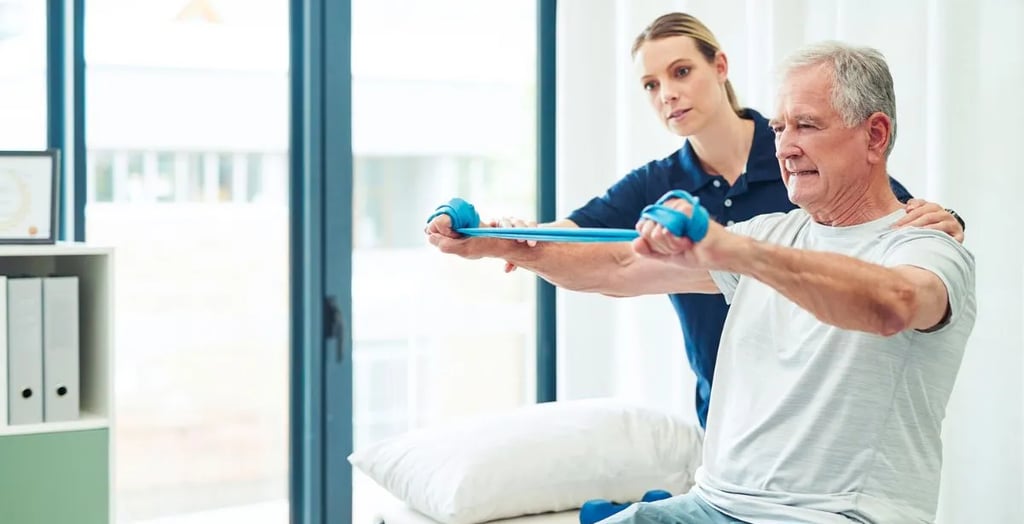
Physical therapy plays a vital role in promoting neuroplasticity by guiding patients through structured and purposeful exercises.
At Dynamic Moves Physical Therapy, treatment focuses on:
Repetitive, task-specific exercises
Strength and mobility training
Balance and coordination activities
Functional movement practice
By repeating these exercises consistently, the brain can form new connections and gradually restore lost function.
Personalized Stroke Rehabilitation
Every stroke recovery journey is different. That’s why our team creates customized treatment plans based on your specific needs, goals, and level of function.
We work closely with each patient to ensure progress is safe, effective, and aligned with their recovery goals.
Recovery Is Possible
Stroke recovery takes time, patience, and the right support—but progress is always possible. With a strong focus on neuroplasticity and guided therapy, many patients are able to regain independence and improve their quality of life.
Take the Next Step
If you or a loved one is recovering from a stroke, Dynamic Moves Physical Therapy is here to help.
Contact us today to learn how our personalized rehabilitation programs can support your recovery and help you move forward with confidence.
