CPM Machine Uses After Total Knee Replacement Surgery
Continuous Passive Motion (CPM) machines are commonly used after total knee replacement (TKR) surgery to support recovery. They help gently move the knee joint through a controlled range of motion, promoting circulation, reducing stiffness, and preventing scar tissue formation. Regular use of a CPM machine can aid in improving flexibility, decreasing post-surgical swelling, and speeding up the overall rehabilitation process. Always follow your physical therapist’s guidance for optimal results.
What is Continuous Passive Motion (CPM)?
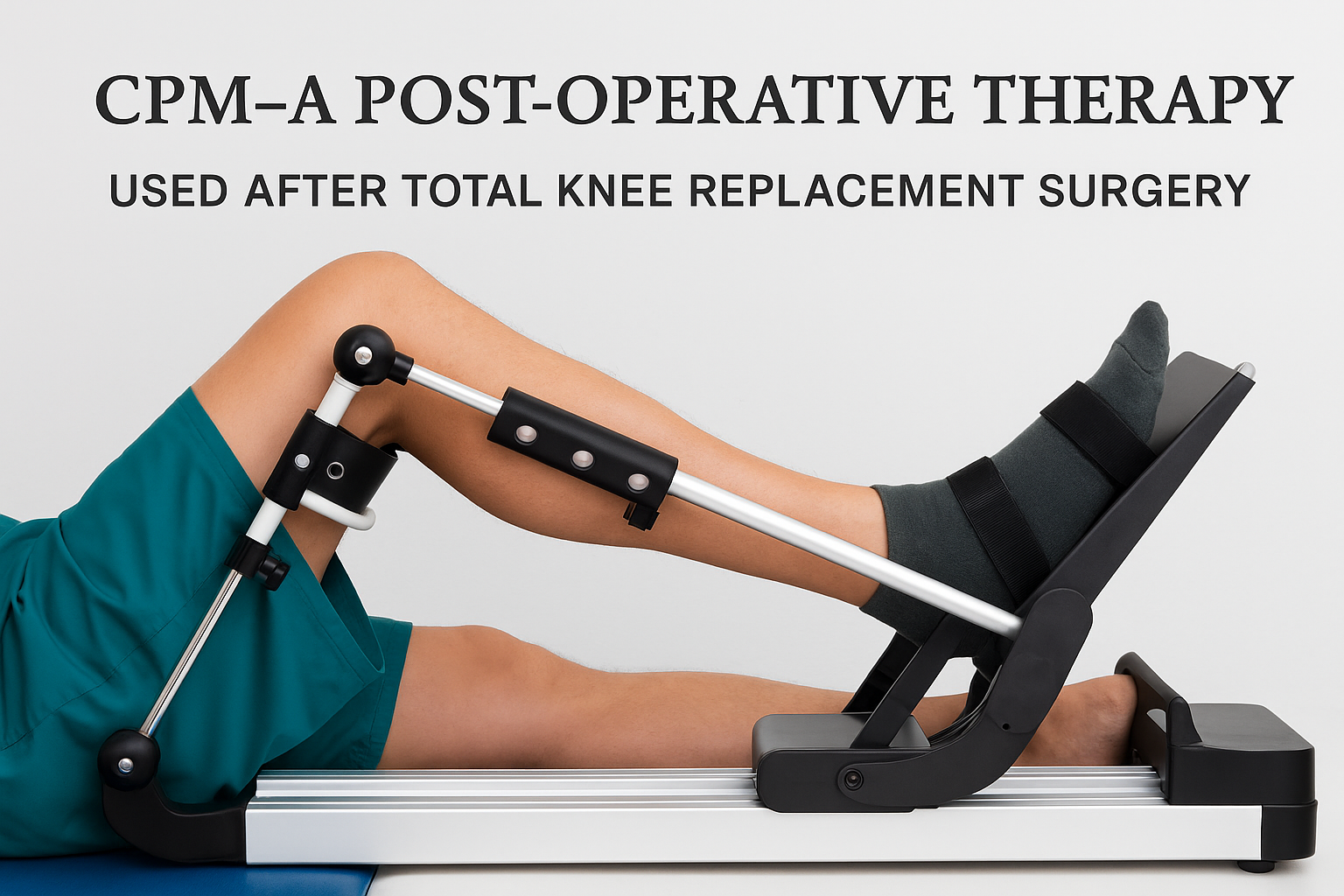
Continuous Passive Motion (CPM) machines are specialized devices designed to facilitate gentle movement of the knee joint after surgery. Particularly following total knee replacement procedures, these machines are utilized to keep the joint in motion without the patient actively engaging their muscles. The CPM machine gently bends and straightens the knee, providing a controlled range of motion that is crucial for healing.
Benefits of Using CPM Machines
The use of CPM machines after knee replacement offers numerous benefits for recovery. Firstly, CPM enhances circulation within the joint and surrounding tissues, which can help reduce swelling and expedite the healing process. Secondly, it is instrumental in minimizing stiffness and improving flexibility in the knee, allowing patients to regain their mobility more quickly. Furthermore, utilizing a CPM machine can also help alleviate postoperative pain, which is often a barrier to rehabilitation.
Recommended Duration and Frequency of CPM Therapy
To achieve optimal results from CPM therapy, it is advisable for patients to use the machine for a recommended duration of 6 to 8 hours per day. This may include sessions spread throughout the day or continuous use, based on physician recommendations. The frequency of use typically starts immediately post-surgery and may vary depending on individual recovery rates. Consultation with healthcare providers is essential to tailor the usage schedule to the patient’s specific needs and progress.
It is also crucial to understand that while CPM machines are beneficial, there are potential risks and limitations to consider. Some patients may experience discomfort or a feeling of pressure on the knee during usage. In rare cases, skin irritation or swelling may arise. Therefore, it's essential to monitor your condition and report any unusual symptoms to your healthcare provider promptly.
Maximizing the Benefits of CPM Therapy
For patients aiming to maximize the benefits of CPM therapy, there are several tips to follow. First, ensure that the CPM machine is set up correctly according to the healthcare provider's specifications. Regularly check and adjust the settings as advised to maintain comfort and effectiveness. Additionally, incorporating other aspects of rehabilitation, such as physical therapy and prescribed exercises, can complement the benefits of CPM and promote an overall successful recovery.
Lastly, staying informed about the progress of your recovery will help you and your healthcare team make necessary adjustments to your rehabilitation plan. Keeping an open line of communication will ensure you receive the best possible care throughout your recovery journey.
In summary, using CPM machines after total knee replacement surgery can significantly aid in the recovery process by improving flexibility, reducing pain, and facilitating better circulation. With proper usage and guidance from healthcare providers, patients can take full advantage of this therapy to support their healing.